

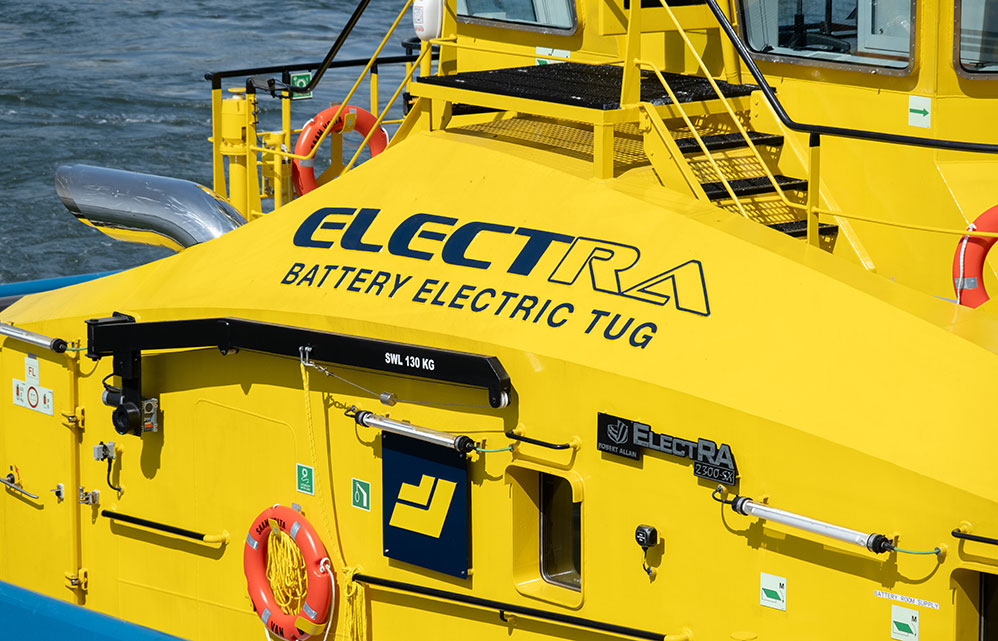
Notable initiatives include obtaining underwater noise certification for its electric fleet and evaluating robotic technologies for hull cleaning.
Santiago, August 12, 2026. SAAM presented its new Biodiversity Plan. This initiative updates the company’s Environmental Policy, formally integrating the conservation and sustainable use of ecosystem services into its operating model and strengthening the management of critical areas near its towage operations.
“With this plan, we are translating our sustainability commitments into a roadmap with measurable actions that are implemented in our operations. Our goal is to be the best partner for our customers, and that also involves taking a proactive and leadership-driven approach to our responsibility toward the environment,” explained Mayra Kohler, SAAM’s Chief Corporate Affairs and Sustainability Officer.
The process of developing this program identified issues relevant to operations—including underwater noise, emissions, biofouling and proximity to protected areas—and linked them to specific measures, such as noise certification for the electric fleet, annual inspections within a five-nautical-mile radius, evaluation of special coatings to prevent attachment of marine species and robotic hull cleaning. In addition, it includes training for teams to ensure that this commitment is integrated at all levels of the company.
“We’re not starting from scratch: this plan builds on and expands upon progress we’re already making in various countries, such as measures to protect whales from collisions and disturbances caused by boats, research into marine wildlife migration routes, mangrove planting and beach cleanups, and the use of shore-based electricity to reduce emissions,” Kohler added.
One recent milestone in this area was the international “Underwater Radiated Noise” certification earned by the electric tugboat CDG, which operates in Canada. Awarded by Lloyd’s Register, the certification validates compliance with standards for reducing underwater radiated noise, demonstrating a lower acoustic impact and contributing to the protection of the marine ecosystem, particularly mammals found in coastal areas. This initiative will also be replicated in Chile for the electric tug Trapananda.


